Data-driven RPG / creature-collector framework: grid overworld (maps, NPCs, signs, items, doors/warps, ledges, encounter zones, trainers with line of sight), dialog trees with conditions and effects, quests, inventory, shops, money, party of 6 + storage, turn-based battles (types, moves, status, XP, evolution, catching, AI), menus (team, summary, bag, quests, save), and save/continue. You write content files (JSON in data/), tile maps and sprites; the kit runs the game. Original IP only: invent your own creature names, types, art and wording. Golden example: games/examples/kit-rpg ("Starfall Keepers").
Setup
# dreamsy.toml
orientation = "portrait"
kits = ["rpg"]
entry_scene = "scenes/title.scene.json"
-- scripts/client/main.luau — an UNATTACHED script (the session; survives loadScene)
local rpg = require("@kit/rpg")
rpg.setup() -- reads data/rpg.json, data/types.json, data/<kind>/*.json; prints content issues-- scripts/client/title.luau, attached to the title scene root (UIButtons btn_new / btn_continue)
local rpg = require("@kit/rpg")
entity("btn_new").pressed:connect(function() rpg.newGame() end)
entity("btn_continue").pressed:connect(function() if rpg.hasSave() then rpg.continueGame() end end)Dependencies (kit.json, auto-enabled): core, progression, combat, juice. Content is read straight from data/ with data.list/data.read; don't generate content modules. Every rpg.events event is also emitted on the core bus as "rpg.<name>" with named fields (e.g. rpg.trainerDefeated {trainer}, rpg.creatureCaught {mon, creature}), so core achievements/quests can count rpg facts, and the rpg state is the core save section "rpg" (so core.save.save() includes it). rpg.save() still writes its own save key rpg.
Example game
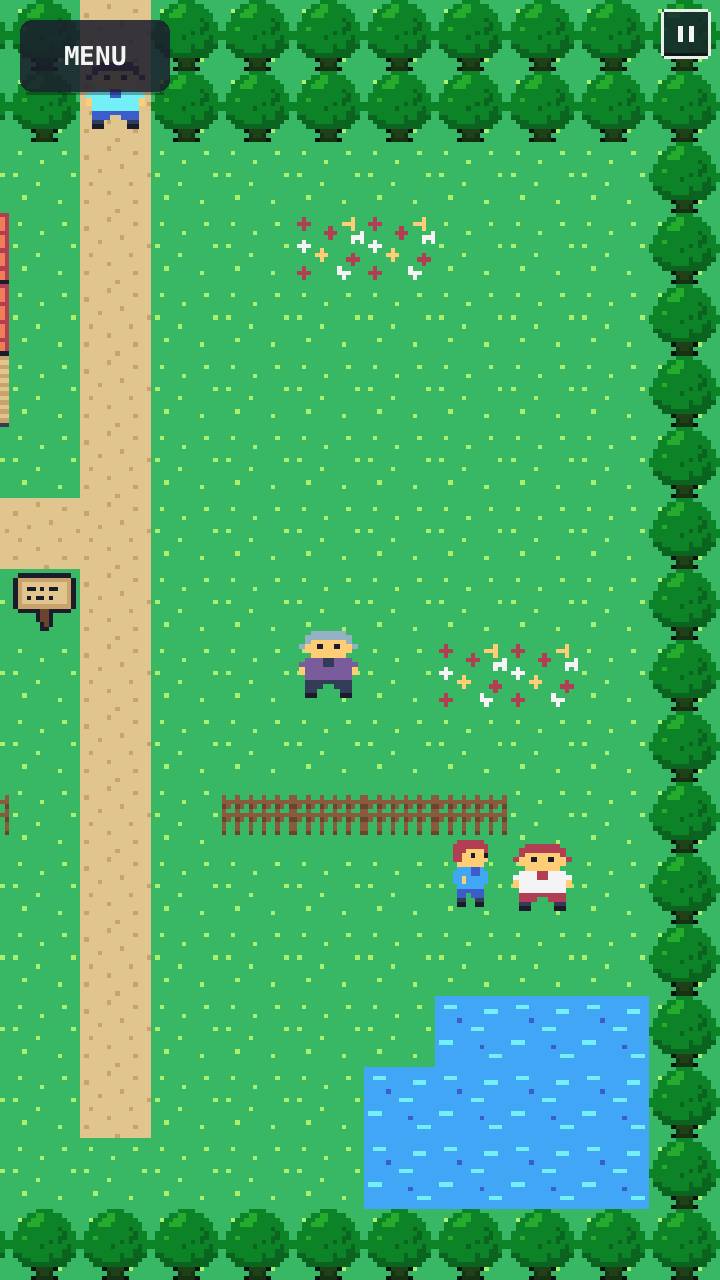
Starfall Keepers
Pick a partner, catch star-born creatures, clear Hollow Cave and beat the Starfall Trial.